Why Choose Muldrow Roofer for Your Home
Why Choose Muldrow Roofer for Your Home
Blog Article
Trustworthy Roofing Professional Offerings for Durable and Reliable Roofing Options
A reputable roofing contractor plays an vital part in guaranteeing the durability and dependability of a home's roofing system. Property owners must evaluate multiple factors when selecting a roof specialist. By understanding roof types to evaluating contractors' credentials, each aspect contributes to an successful project. Yet, many property owners stay unsure about where to start. Identifying the correct strategy can greatly impact both appearance and financial security. What actions should one follow to work through this intricate process?
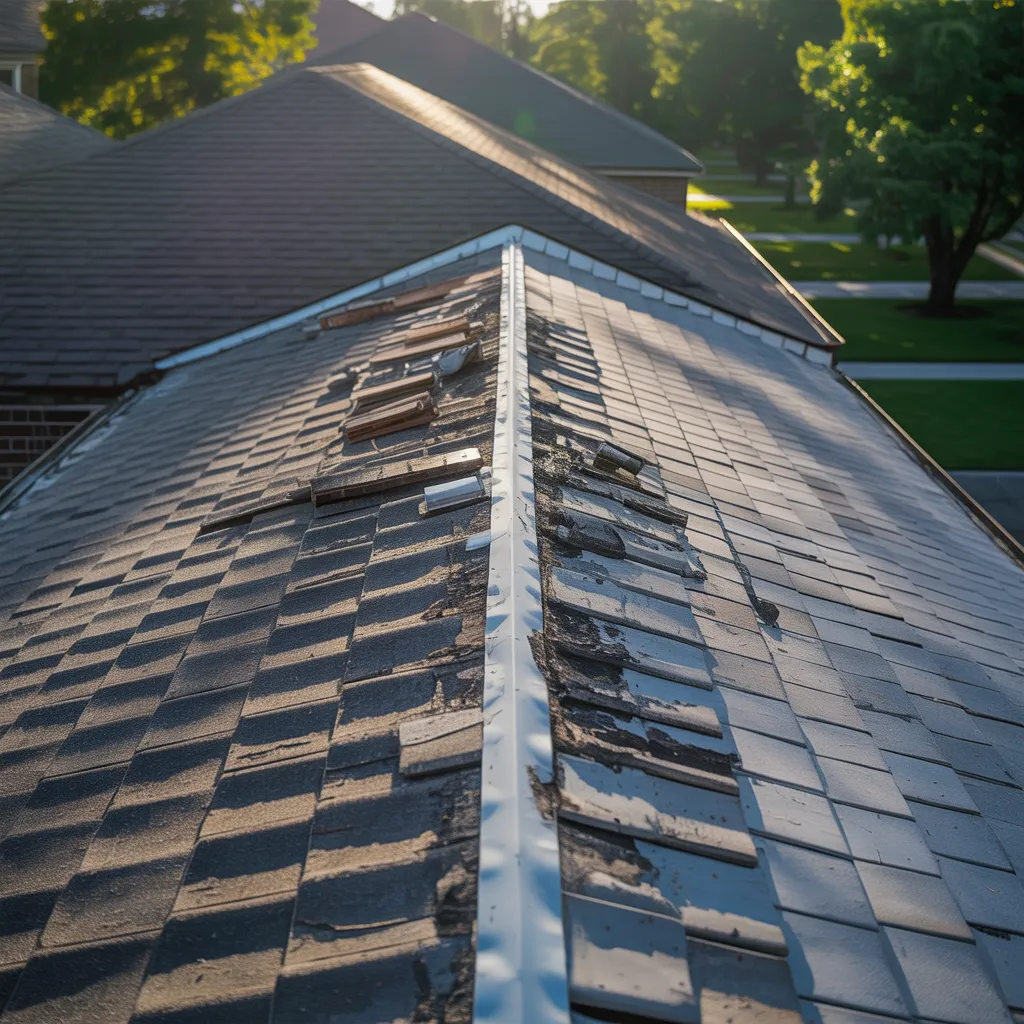
What to Look for in a Trusted Roofer
When selecting a trusted roofer, what important qualities should one prioritize? First, experience plays a significant role; an established roofer with extensive background shows reliability and skill. It's essential to confirm their credentials and coverage, as this protects homeowners from possible risks. Moreover, a reputable roofer should offer guarantees on both materials and workmanship, indicating confidence in their services.
Another crucial element is dialogue. A trusted roofing contractor should be attentive and clear, providing comprehensive estimates and timelines. Reviews and references from past customers can provide information into their dependability and quality of craftsmanship. Furthermore, understanding local construction standards and regulations is necessary, as adherence guarantees protection and lawfulness. Ultimately, a dedication to employing premium materials reflects a roofer's dedication to long-lasting results. By prioritizing these key characteristics, homeowners can take informed choices when choosing a roofing professional.
What Roof Options Are Perfect for You?
Picking the ideal roof alternative can be an overwhelming endeavor, as numerous options and styles meet distinct needs and preferences. Homeowners should take into account aspects including weather patterns, spending limit, and design aesthetics when determining a roof. Asphalt shingles are well-liked because of their low cost and straightforward installation, making them suitable for numerous home properties. Metal roofing, recognized for its durability and thermal efficiency, draws in people desiring lasting durability.
For a more traditional appearance, wood shakes or tiles provide natural beauty but may require more maintenance. Slate and clay tiles provide exceptional longevity and are perfect for upscale homes, although they can be more costly.
Ultimately, the most suitable roofing option depends upon specific conditions, considering local building codes and personal choices. Reaching out to a reliable roofer can help homeowners consider these decisions, guaranteeing they opt for a roofing choice that satisfies their unique needs while raising the overall value of their property.
The Key Importance of Top-Tier Roofing Materials
Identifying the right roof alternative is only the beginning; the merit of roof materials plays a notable role in the overall performance and longevity of a roof. High-quality materials, such as asphalt shingles, metal, or slate, provide optimized durability and resistance to environmental factors. They can withstand extreme weather conditions, reducing get going the frequency of repairs and replacements.
Investing in excellent materials can result in improved energy efficiency, as they often feature superior insulation properties. This not only enhances pleasantness within the home but can also minimize energy bills over time. Additionally, high-end materials typically come with longer warranties, offering homeowners confidence regarding their investment. Selecting quality roofing materials ultimately secures that a roof remains operational and aesthetically pleasing for years, maintaining the property's value. Therefore, understanding the significance of material selection is vital for anyone considering a roofing project.
Reviewing Your Roofing Contractor's Certifications
A rigorous evaluation of a roofing contractor's qualifications is necessary for ensuring a outstanding roofing project. Homeowners should begin by confirming licenses and insurance to secure themselves from exposure in case of accidents. Checking for industry certifications can also indicate a contractor's focus to quality and sustained education in roofing techniques and materials.
In turn, assessing former projects and customer testimonials delivers understanding into the contractor's quality of work and trustworthiness. It is advisable to seek out references and to follow up with previous clients about their experiences. Moreover, understanding the contractor's warranty policies can reveal their confidence in their work and the materials used.
Ultimately, evaluating the contractor's experience in the particular kind of roofing needed can additionally help homeowners in reaching an informed decision. By thoroughly evaluating these qualifications, homeowners can choose a trustworthy contractor and secure a sturdy roofing solution.
How to Budget for Your Roof Replacement
Creating a budget for a roofing project requires careful planning and assessment of various factors that influence overall costs. Homeowners should begin by determining the type of roofing materials desired, as prices can vary greatly between asphalt shingles, metal roofs, and tiles. Labor costs also play an crucial role; obtaining multiple quotes from licensed contractors can help guarantee competitive pricing.
Additionally, it is vital to factor in potential unforeseen costs, such as structural damage repair or the need for permits. A reserve allocation of about 10-20% of the total budget is advisable to address these unforeseen costs. Residents should also consider the pace of their project, as seasonal variations can influence labor availability and material costs. By precisely calculating these elements, homeowners can establish a achievable budget that provides for both necessary expenses and any additional features they may desire to add in their roofing project.
Routine evaluations Are vital
Regular checkups are essential in prolonging the life of a new roof. Conducting these assessments at least twice a year helps recognize potential issues before they intensify. Experienced professionals can assess the roof's condition, looking for signs of wear, tear, or damage caused by environmental factors. Additionally, inspecting gutters and downspouts guarantees proper drainage, which is essential for preventing water accumulation. Homeowners should also schedule seasonal inspections, especially after severe weather events. By prioritizing regular inspections, property owners can keep their roofs efficiently, making sure they remain durable and reliable over time. This proactive approach not only boosts the roof's longevity but also preserves the overall integrity of the home.
Timely Maintenance Stop Deterioration
After conducting routine inspections, addressing necessary repairs quickly is vital to maintain a new roof's integrity. Roofs experience wear due to different environmental factors, and even minor issues can develop into serious damage if ignored. Fast repairs can prevent leaks, mold growth, and structural deterioration, thus extending the roof's life. Homeowners should prioritize fixing loose shingles, damaged flashing, or clogged gutters immediately after spotting them. Furthermore, seasonal weather changes may exacerbate existing problems, making swift action more essential. By making sure repairs are done promptly, homeowners both protect their investment and enhance the overall safety and comfort of their homes. Routine maintenance and quick response are key to a durable roofing solution.
Common Inquiries Asked Often
What Timeframe is Required for a Standard Roofing Project to be Completed?
A typical roofing project usually takes one to three weeks to accomplish. Factors on the duration include the project magnitude, climatic conditions, and the complexity of the roofing system being repaired or installed.
What Guarantees Do Roofing Solutions Provide?
Various warranties are offered for roofing work, such as material warranties, workmanship warranties, and extended coverage options. These warranties typically span five to twenty years, based on the materials and contractor agreements involved in the project.
Can I remain in My Home During Roof Installation?
Homeowners are able to commonly stay in their homes during roof installation, but it is based on the extent of the project and noise levels. Contractors typically advise on safety and comfort, recommending temporary moving away if necessary.
In What Ways Do Weather Conditions Effect Roofing Projects?
Factors significantly affect roofing work; rain can create delays and safety hazards, while extreme heat may impact materials. Wind can hinder installation, requiring careful consideration to guarantee quality and safety during the process.
What Could I Do if I Spot Leaks After Installation?
Upon finding leaks post-installation, the homeowner should immediately contact the roofing contractor for an review. Documenting the issue with photos and notes can help address the problem efficiently and guarantee proper repairs.
Report this page